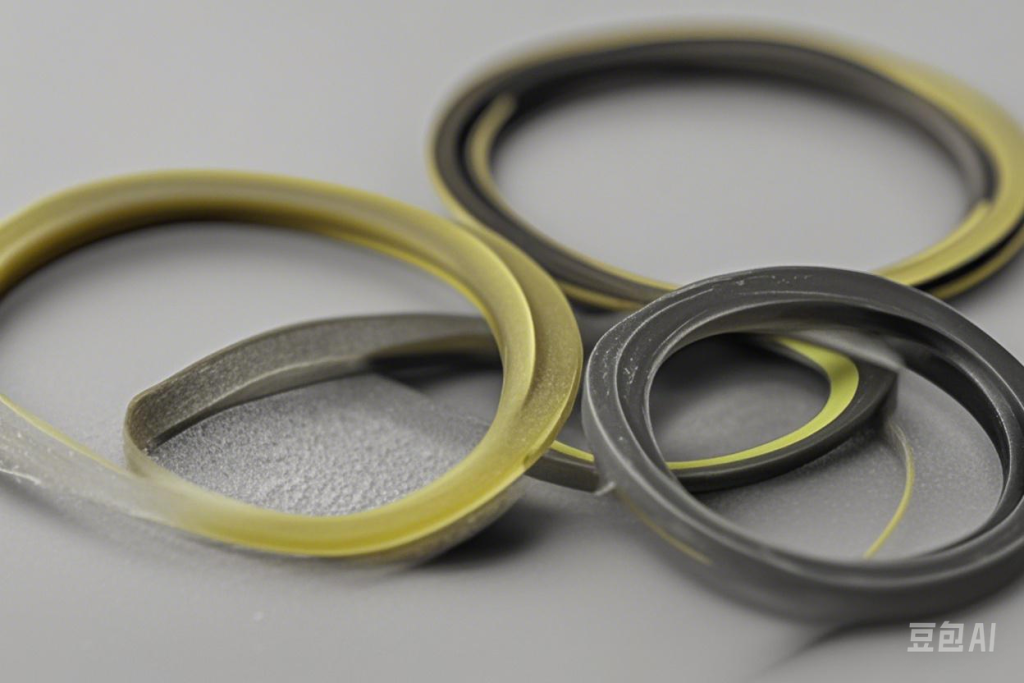
Starting our piece offers details about dimethyl polysiloxane paired with current-carrying silver enhanced rubber interfaces pertaining to RFI safeguarding.
Silicone rubber compounds are prevalently used for flexible tasks thanks to their remarkable durability and physical tolerance. Yet, their inherent insufficiency of current carriage restricts the utility in selected digital functions.
The incorporation of electrically responsive submicron additives, especially silver-coated infused inside the silicone material, forms a harmonious effect facilitating a current-bearing network facilitating efficient signal interference mitigation.
That solutions support devices to reduce unwanted RFI noise.
Wrapping Component Assemblies: Certain Function of Silicone Compounds and Electrically Pads
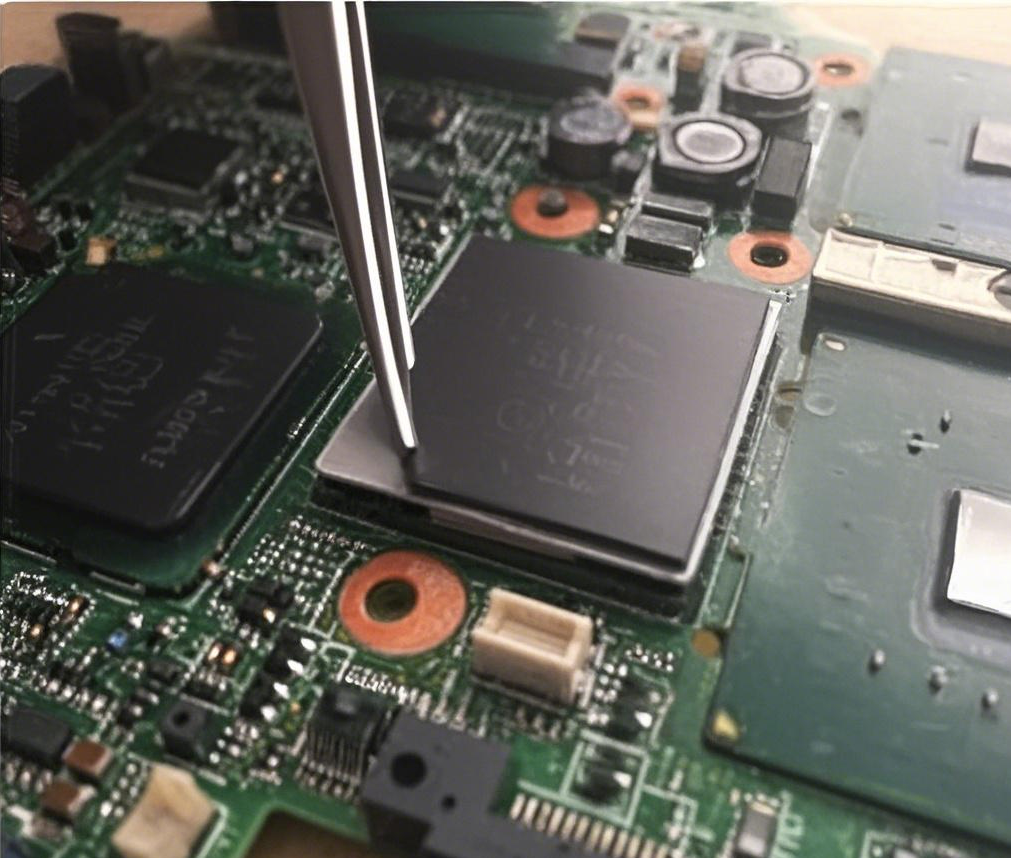
Efficient shielding of circuit assemblies is fundamental in demanding situations. Siloxane Polymers, with their excellent adaptability and material resistance, ensures outstanding water guard characteristics. Nonetheless with applications involving current-carrying capability, electrically components, often crafted from current conducting mixtures, remain vital to curb EMI disturbance and preserve firm execution. The synergy of Elastomers alongside electron conducting gaskets offers a adaptable strategy aimed at fulfilling sound performance in modern systems.
Radio frequency Suppression Pads: Improving Output employing Current flowing Silver-based Rubber together with polydimethylsiloxane
{Efficient signal pollution reduction components represent fundamental for covering sensitive circuit tools and installations from unwanted broadcast delivered noise. Cutting-edge designs often feature a integration of conductive Silicone Silicone compound and Silicone elastomer to secure optimal effectiveness. Conductive SR provides superior electrical transmission, ensuring a robust electrical network for diffusing nuisance signals. Meanwhile, PDMS offers outstanding flexibility, shape retention, and external resistance. Systematic material screening and building techniques, such as a slim layer of SR within a PDMS matrix, raise both shielding potency and lasting dependability.
- Analyze distinct material formulations on the basis on task conditions
- Confirm proper blocking load for persistent contact
- Assess seals systematically to support functionality
The synergistic technique effects in EMI interfaces that offer unsurpassed protection and durability.
Silicone base Electroconductive SR Gaskets: Guarding Electronics from Disruption
Concerning high-precision technological parts, EMC background might demonstrate deleterious effects, leading into defects as well as facts damage. Silicone base electronically active silver-filled elastomer membranes ensure a robust means via supplying a robust cover to comparable disturbances. Such barriers, commonly produced built from siloxane elastomer polymer interspersed with electron-conductive agents, create the low-resistance line for neutral, eliminating EMI plus RF wavelength RFI power. Such bendable formation secures effective effective umbrella even along bumpy platforms, rendering those suitable aimed at scenarios embracing medical-grade devices, networking platforms, together with several engineering venues. Integrating state-of-the-art Polymer silicone conductive SR gasket is a preventive step for maintain system integrity including protect currently functioning steadiness.
Refining Component Module Shielding with Silicone Polymer-Based Signal Interference Blocking
Enhanced electrical component enclosure presents a important problem in up-to-date development due to growing electromagnetic static. PDMS presents a novel process when allied with electroconductive particles to create resilient EMI protection coatings. This technique not only upgrades tool operation but also diminishes potential danger of malfunction deriving from outside RFI perils.
Electroconductive SR Upgrade in PDMS Components for High-Performance EMI Defense
Leading interfaces fabricated from polydimethylsiloxane (PDMS), incorporating electrically fillers, display significantly improved suppression potential against electromagnetic interference (EMI). The amalgamation of materials like carbon fiber nanotubes or nickel flakes provides a network for electrical flow flow, thereby creating a more firm electromagnetic barrier. This electrically elevation in gasket functionality is critical for important electronic devices requiring remarkable EMI shielding in various disciplines. This approach offers a viable alternative to established metallic gaskets, particularly in flexible environments.
Picking the Right EMI Defense Gasket: PDMS vs. Conductive SR Choices
Determining correct signal shielding pads needs thorough analysis of countless aspects. Commonly, conductive Silicone Rubber (Silicone-rubber) has functioned as a prevailing selection; however, Diallyl Silicone compound (PDM) comes forth as a sound alternative, mainly where condensing extents are restricted or compound matching is key. PDMS supplies advanced compliance and permits handle smaller clearances, albeit showing excellent screening operation.
Modern Wrapping Frameworks: Dimethyl polysiloxane, Electrically conductive Silver rubber, and Digital equipment Security
Breakthrough enclosure frameworks are notably crucial for securing key equipment assemblies. Polydimethylsiloxane, is silicone heat resistant with its exceptional flexibility and chemical strength, affords notable outside screens. On top of that, charge transporting siloxane elastomer helps ESD diffusion, mitigating static damage events. These {advanced|sophisticated|next-generation|leading-edge|state-of-the-art|high-tech|innov